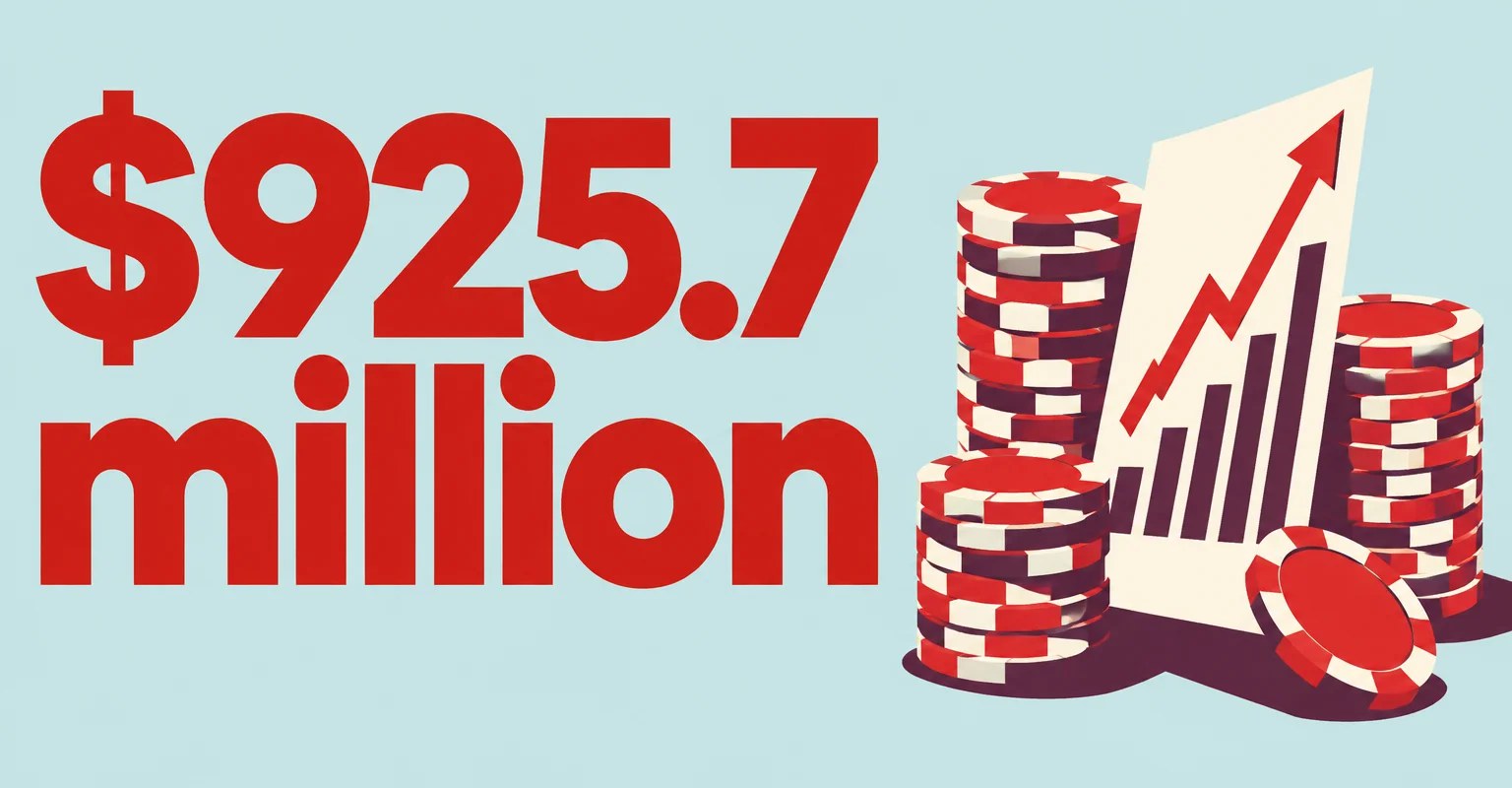
New Jersey collected a record $925.7 million in gaming taxes in fiscal 2026, a rise of 42.3% from the previous year. Once parking and hotel fees, fines, forfeited winnings and other receipts are added, total Casino Revenue Fund collections came to about $937.3 million.
The state’s Casino Revenue Fund Taxes and Fees Source Report puts fiscal 2026 collections at $925,670,309. As reported in July, New Jersey’s higher online gambling tax rates took effect on 1 July.
The levy on internet gaming gross revenue rose from 15% to 19.75%, and the tax on online sports wagering gross revenue also rose from 13% to 19.75%. Taxes on gambling at physical locations did not change, with Atlantic City casino revenue still taxed at 8% and retail sportsbooks at 8.5%.
The increase applies to operators rather than customers. Online casinos and sportsbooks are taxed on the revenue they keep after settling wagers, so players do not see a separate charge on deposits, withdrawals or bets. For every $1 million in taxable revenue, an online casino now pays $197,500 to the state instead of $150,000, while an online sportsbook’s bill has risen from $130,000 to $197,500.
The higher take also came as internet gaming kept growing. Operators generated $2.91 billion in internet gaming revenue in 2025, up 22% from the previous year, and reached $1.59 billion in the first half of 2026, 15% higher year on year.
The rest of the market was more mixed. Atlantic City casino revenue rose 2.7% in 2025 and 2.3% in the first half of 2026, while sports betting revenue increased 7.5% in 2025 before falling 7.1% through June 2026.
The Casino Revenue Fund receives taxes paid by Atlantic City casinos and their online partners. Created after voters approved casino gambling in Atlantic City, it helps fund pharmaceutical and hearing-aid assistance, community-based senior services, local transportation, and employment support and in-home assistance for residents with disabilities.
Then-Gov. Phil Murphy had initially proposed a 25% tax rate for both online verticals in the FY2026 budget, but lawmakers settled on 19.75%. The Fund’s annual split is set through the state budget.